
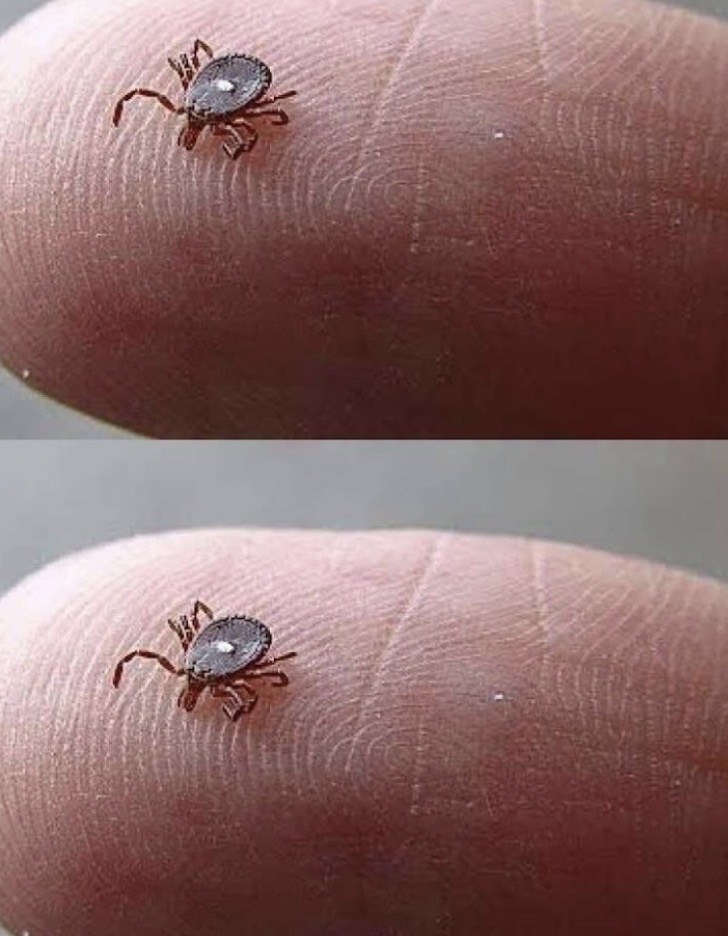
Should You Be Worried?
Yes and no. Finding a tick crawling on skin before it has attached is actually the best-case scenario — it means it hasn’t had a chance to feed yet, which significantly reduces the risk of disease transmission. However, the Lone Star Tick is known to carry and transmit several illnesses, so awareness is important. Known concerns include:
- Ehrlichiosis — a bacterial infection that can cause fever, headache, and muscle aches
- Tularemia — a serious bacterial disease affecting skin, eyes, and lymph nodes
- Heartland virus — a rare but serious viral illness
- Alpha-gal syndrome — a tick-bite-triggered red meat allergy that can develop weeks later and last for years
- STARI (Southern Tick-Associated Rash Illness) — similar in presentation to Lyme disease
What To Do If You Find a Tick on Someone
- Stay calm. Panicking won’t help, and if the tick hasn’t attached, the risk is much lower.
- Use fine-tipped tweezers to grasp the tick as close to the skin as possible if it has attached.
- Pull upward with steady, even pressure. Do not twist or jerk — this can cause the mouthparts to break off in the skin.
- Clean the bite area thoroughly with rubbing alcohol or soap and water.
- Place the tick in a sealed bag or container, or take a clear photo of it. This helps doctors identify it if symptoms appear later.
- Do not crush the tick with your fingers. Dispose of it by putting it in alcohol, sealing it in a bag, or flushing it down the toilet.
- Monitor for symptoms over the next 30 days, including rash, fever, fatigue, or joint pain.
- Contact your doctor or pediatrician right away, especially if the tick was attached or if symptoms develop.
How to Protect Your Family on Future Outdoor Trips
Prevention is always the best strategy when spending time in wooded or grassy areas. A few simple habits can dramatically reduce the chance of tick encounters.
- Apply EPA-registered insect repellent containing DEET, picaridin, or IR3535 to exposed skin
- Treat clothing with permethrin before heading outdoors
- Wear long sleeves and tuck pants into socks when walking through brush or tall grass
- Stick to the center of trails and avoid sitting directly on logs or leaf piles
- Do a thorough tick check on the entire body immediately after coming indoors — pay special attention to the scalp, behind the ears, underarms, belly button, and behind the knees
- Shower within two hours of coming inside to wash off any unattached ticks
- Dry clothes on high heat for at least 10 minutes to kill any ticks that may be clinging to fabric
When To See a Doctor Immediately
If the tick was embedded in the skin for more than a few hours, or if your child develops any of the following symptoms within days to weeks of the tick exposure, seek medical attention promptly:
- A spreading red rash, especially a bullseye-shaped one
- Fever or chills
- Severe headache
- Fatigue or muscle aches that feel out of proportion to normal tiredness
- Swollen lymph nodes
- Nausea or vomiting
The Bottom Line
That small tick with the white spot is a real cause for attention — but not full-blown panic. The fact that it was still crawling and hadn’t attached is actually good news. Act quickly, follow the removal steps if needed, save the tick for identification, and keep a close eye on your child’s health in the weeks ahead. When in doubt, always call your doctor. Your instincts as a parent are right to take this seriously, and being informed is the most powerful tool you have.