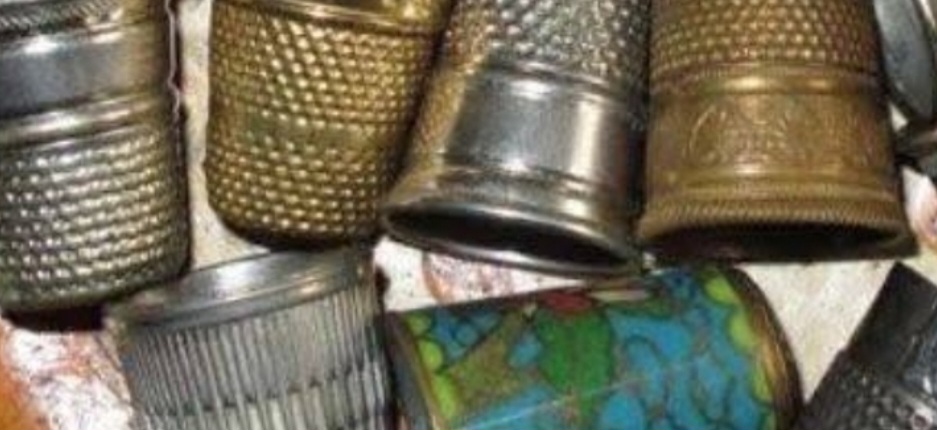
The earliest known thimbles date back to 1st-century Pompeii, crafted from bronze. These simple yet durable tools, preserved in volcanic ash, remind us how essential sewing once was to daily life. From these beginnings, thimbles journeyed through the Middle Ages, the Renaissance, and the industrial era, changing in style and significance along the way. In medieval Europe, thimbles were made from leather, wood, and metal. By the 14th century, Nuremberg, Germany, became famous for high-quality brass thimbles, a reputation that spread across Europe. By the 17th century, wealthy owners commissioned silver and gold thimbles, sometimes decorated with enamel or gemstones. These pieces were as much a display of refinement as they were practical sewing tools. Continued on next page: see continuation on next page To see the full cooking instructions, go to the next page or click the Open button (>) and don’t forget to SHARE it with your friends on Facebook.Collectors today prize vintage thimbles made from porcelain, bone china, and sterling silver. Museums, such as the Fingerhut Museum in Germany, showcase thousands of examples, from simple work models to ornate presentation pieces. Even in the modern era, thimbles endure. Contemporary artisans create both traditional designs and experimental pieces, incorporating them into jewelry, art, and commemorative keepsakes. From ancient bronze to modern collectibles, the thimble’s story is stitched together by countless generations. More than just a sewing aid, it’s a testament to human creativity, craftsmanship, and the enduring beauty found in even the smallest of tools
I Found These At My Grandma’s House And Have No Idea What They Are