
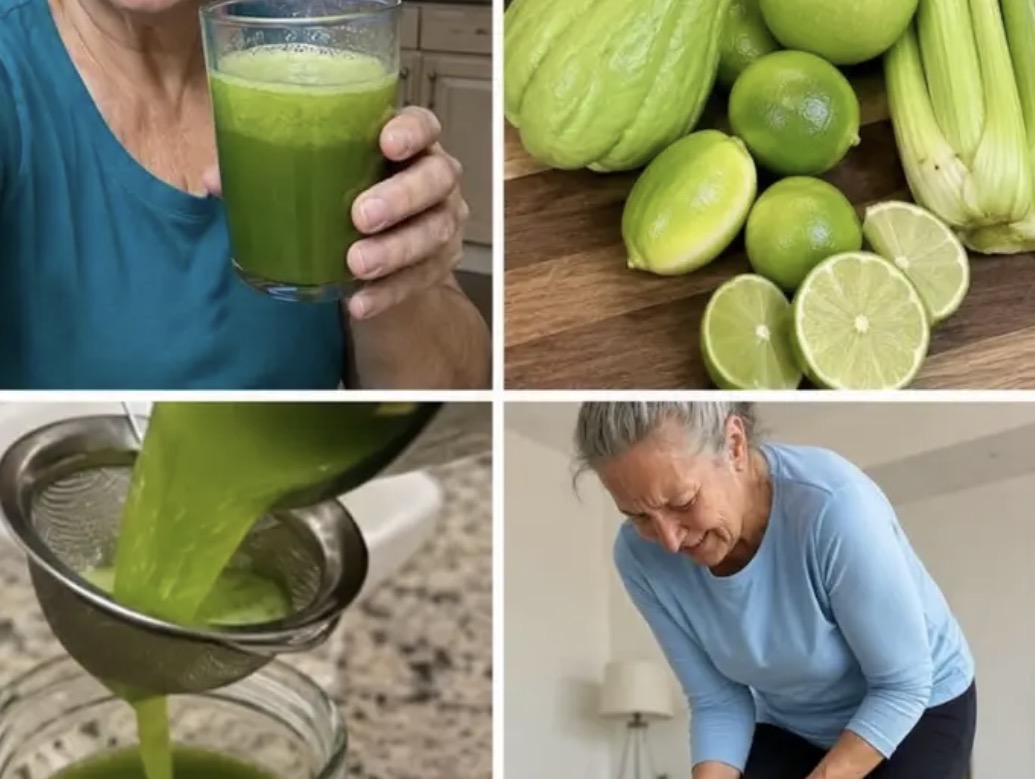
Chayote is a mild-tasting green squash that is widely used in cooking. It contains water, fiber, vitamins, minerals, and other plant compounds, making it a useful addition to a balanced diet.
Recently, chayote juice has become popular online, with claims that one glass a day can relieve knee pain, lower blood pressure, reduce swollen feet, and improve circulation. Some of these claims have a reasonable nutritional basis, while others go much further than the available evidence allows.
Here is a closer look at what you should know before making chayote juice part of your routine.
What Is Chayote?
Chayote, sometimes called vegetable pear or mirliton, is a member of the squash family. It has a light-green exterior, crisp flesh, and a relatively mild flavor.
It can be eaten:
- Raw
- Steamed
- Boiled
- Roasted
- Stir-fried
- Added to soups
- Included in salads
- Blended into drinks
Chayote is naturally low in calories and contains water and dietary fiber, making the whole vegetable a useful choice for people trying to build a nutritious diet.
Can Chayote Juice Relieve Knee Pain?
This claim needs to be treated carefully.
Chayote contains nutrients and plant compounds that can contribute to a healthy diet, but there is no strong evidence that chayote juice directly treats arthritis or eliminates knee pain.
Knee pain can have many causes, including osteoarthritis, injuries, tendon problems, inflammation, excess strain, or other medical conditions.
If your knees hurt regularly, the best approach is to identify the underlying cause rather than relying on a particular juice.
A nutritious diet can support general health, but it should not be presented as a replacement for appropriate treatment.
What About Blood Pressure?
Chayote can fit comfortably into a heart-healthy eating pattern because it is naturally low in calories and can provide potassium and other nutrients.
Potassium is important for normal blood-pressure regulation, and diets rich in vegetables and fruits are generally associated with better cardiovascular health.
However, drinking chayote juice should not be considered a treatment for high blood pressure.
If you have hypertension, continue monitoring your blood pressure and follow the treatment plan recommended by your healthcare professional.
Could It Help With Swollen Feet?
Swollen feet can sometimes occur after standing for long periods or after consuming a high-sodium diet. But swelling can also have more serious causes involving the heart, kidneys, veins, liver, medications, or other conditions.
Chayote juice has not been established as a treatment for edema.
If swelling is persistent, severe, occurs suddenly, affects only one leg, or is accompanied by chest pain or shortness of breath, medical attention is important.
Does Chayote Improve Circulation?
Eating vegetables as part of a balanced diet supports overall cardiovascular health, but there is no strong evidence that a glass of chayote juice specifically “cleans the arteries” or dramatically improves circulation.
Healthy circulation depends on the condition of your blood vessels, heart, blood pressure, cholesterol levels, activity level, and many other factors.
Walking regularly, avoiding tobacco, maintaining a healthy weight, and controlling blood pressure and cholesterol are much more established ways to support cardiovascular health.
A Simple Chayote Juice Recipe
If you enjoy the flavor and want to try chayote as a beverage, you can make a simple homemade drink.
Ingredients
- 1 small fresh chayote
- 1 green apple
- 1 small celery stalk
- Juice of ½ lime
- ½–1 cup cold water
- A few ice cubes, optional
Preparation
- Wash all the produce thoroughly.
- Peel the chayote if desired and remove the seed.
- Cut the chayote into small pieces.
- Wash and chop the celery.
- Cut the apple into pieces and remove the core.
- Add the ingredients to a blender.
- Pour in the water.
- Blend until smooth.
- Add the lime juice.
- Serve immediately.
You can strain the drink if you prefer a thinner juice, although keeping the pulp provides more dietary fiber.
Chayote Juice or Whole Chayote?
For everyday nutrition, eating whole chayote is generally preferable to turning it into juice.
Blending can retain much of the fiber, while straining removes some of it. Fiber contributes to fullness and supports normal digestive function.
Whole chayote can also be incorporated into meals without requiring additional fruit or sweeteners.
Try it roasted with olive oil and herbs, added to soups, or sautéed with garlic and other vegetables.
Be Careful With “One Glass a Day” Claims
There is nothing inherently magical about drinking exactly one glass of chayote juice every day.
A healthy diet doesn’t depend on one special beverage. What matters more is the overall pattern of your eating habits.
Instead of thinking:
“This juice will fix my knees and circulation,”
a more realistic approach is:
“Chayote is a nutritious vegetable that can be part of a balanced diet.”
That distinction is important.
Who Should Be Cautious?
People taking medications for blood pressure or other conditions should be careful about adding large amounts of any concentrated food or herbal preparation to their routine.
People with kidney disease may also need to manage potassium intake depending on their individual condition and medical advice.
If you have persistent swelling, uncontrolled blood pressure, significant knee pain, or circulation problems, don’t postpone medical evaluation because you are trying a homemade juice.
The Bottom Line
Chayote is a nutritious, hydrating vegetable that can be included in a healthy diet. It provides water, fiber, and useful nutrients and can be enjoyed in many different ways.
However, there is not enough evidence to say that chayote juice can cure knee pain, remove swollen feet, treat high blood pressure, or dramatically improve circulation.
Enjoy the juice if you like it, but think of it as a nutritious food rather than a medical treatment. For long-term health, combine a varied diet with regular physical activity, adequate sleep, appropriate weight management, and proper medical care when symptoms persist.