
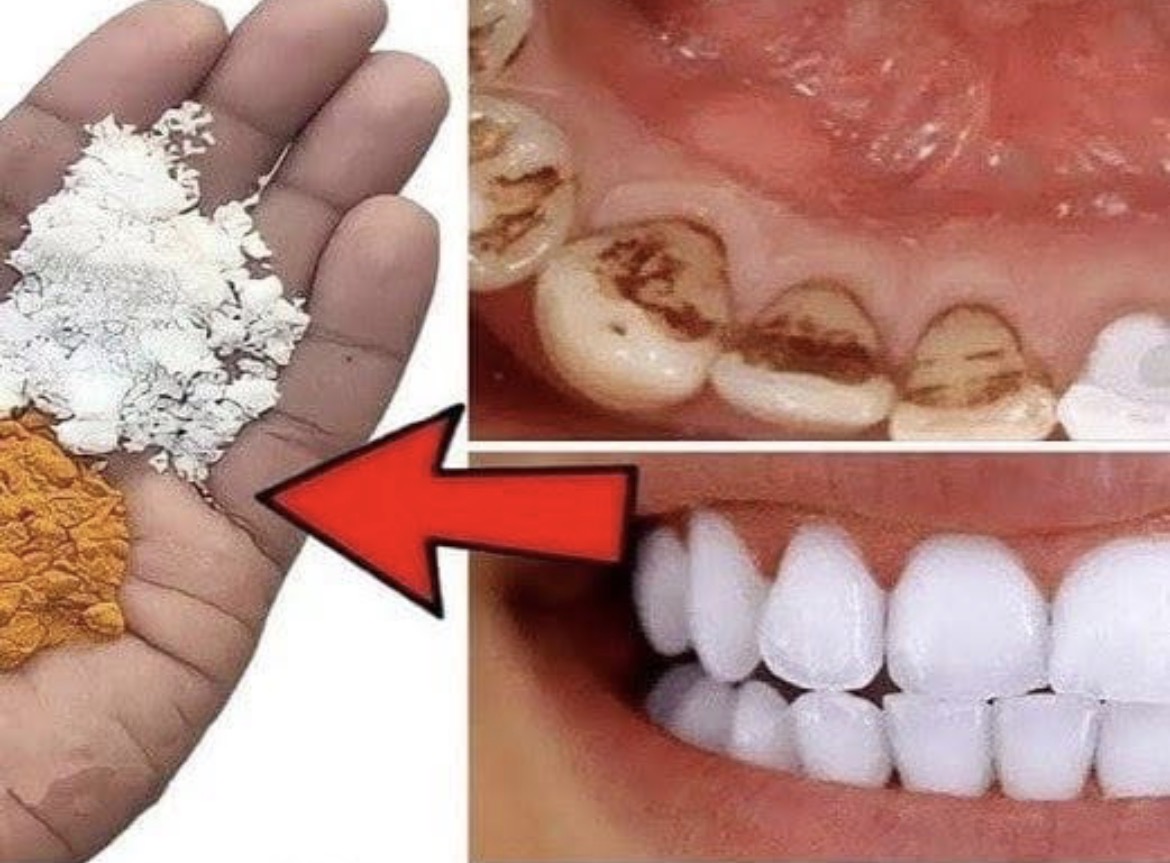
A brighter smile can make a noticeable difference in how people feel about their appearance, which is why tooth-whitening products and home remedies remain so popular. Coffee, tea, tobacco, red wine, dark-colored foods, aging, and normal changes in enamel can all make teeth look more yellow or stained over time.
But there is an important point that often gets lost in viral whitening claims: no safe home remedy can reliably transform deeply discolored teeth in just one minute.
Some at-home methods may help remove superficial stains or plaque, which can make teeth look cleaner and slightly brighter. That is very different from actually changing the underlying color of the tooth.
Understanding the type of discoloration you have is the first step toward choosing a method that is both effective and gentle on enamel and gums.
Why Teeth Become Yellow
Tooth discoloration generally falls into two broad categories: extrinsic and intrinsic.
Extrinsic Stains
Extrinsic stains develop on the outer surface of the tooth.
Common causes include:
- Coffee
- Black tea
- Red wine
- Tobacco
- Dark berries
- Cola and some dark beverages
- Certain highly pigmented foods
- Plaque and tartar buildup
These stains are the type most likely to improve with professional cleaning, whitening toothpaste, or appropriately used whitening products.
Intrinsic Discoloration
Intrinsic discoloration develops within the tooth rather than only on the surface.
Possible causes include:
- Natural aging
- Certain medications
- Dental trauma
- Developmental changes
- Excessive fluoride exposure during tooth development
- Changes inside a tooth after nerve damage
Home polishing remedies generally have little effect on this deeper type of discoloration.
Why Teeth Naturally Look More Yellow With Age
Enamel is the hard outer layer of the tooth, but underneath it lies dentin, which is naturally more yellow in color.
As enamel becomes thinner or more translucent with age, more of the underlying dentin may become visible.
This means some yellowing is not simply a stain that can be scrubbed away.
Trying to aggressively polish away that color can actually make the problem worse if enamel becomes damaged.
The Popular Turmeric and Baking Soda Method
One widely shared home remedy combines turmeric powder with baking soda and a few drops of water or coconut oil.
At first, the idea sounds surprising because turmeric is intensely yellow and can stain many household surfaces.
Baking soda, on the other hand, is found in some oral-care products because its mild abrasive properties can help remove superficial stains and plaque.
The important distinction is that baking soda in a professionally formulated toothpaste is not necessarily equivalent to repeatedly scrubbing teeth with a homemade abrasive paste.
Does Turmeric Whiten Teeth?
There is not strong evidence that turmeric itself is a proven tooth-whitening treatment.
Turmeric contains curcumin and has been studied for various biological properties, but that does not mean it can reliably bleach or whiten enamel.
If someone sees an immediate change after using a turmeric-and-baking-soda paste, the effect is more likely related to surface cleaning or polishing than to turmeric chemically whitening the tooth.
Does Baking Soda Help With Surface Stains?
Baking soda can help remove some surface stains because it is mildly abrasive.
It is also included in many commercially formulated toothpastes.
However, abrasive ingredients should be used carefully. Scrubbing hard, using a stiff toothbrush, or applying homemade powders frequently can irritate gums and contribute to unnecessary wear.
That is why a toothpaste specifically formulated and tested for oral use is generally preferable to an improvised abrasive mixture.
If You Still Want to Try a Homemade Paste
A cautious approach is important.
Do not expect dramatic bleaching, and do not use excessive pressure.
A commonly shared mixture contains:
- 1/2 teaspoon turmeric powder
- 1/2 teaspoon baking soda
- A few drops of water or coconut oil
If someone chooses to experiment with this type of method, it should be occasional rather than aggressive or frequent.
Use a soft-bristled toothbrush, brush gently, rinse thoroughly, and stop if you notice gum irritation, tooth sensitivity, pain, or any unusual changes.
People with enamel erosion, exposed roots, gum disease, dental restorations, significant sensitivity, or active dental problems should avoid experimenting with homemade whitening mixtures without professional advice.
The biggest mistake in home whitening is assuming that stronger scrubbing means faster whitening—when in reality, damaged enamel can make teeth look more yellow over time.
Why Enamel Protection Matters More Than Fast Whitening
Enamel does not regenerate in the same way skin does.
Once substantial enamel is lost, it cannot simply grow back to its original thickness.
This is why aggressive whitening hacks can be counterproductive.
If enamel becomes thinner, the yellowish dentin underneath may become more visible, making teeth appear darker rather than lighter.
What Can Damage Enamel?
Common risks include:
Aggressive brushing
Frequent use of abrasive powders
Acidic home remedies
Repeated exposure to lemon juice
Frequent vinegar use on teeth
Highly acidic drinks
Brushing immediately after acidic foods or beverages
Avoid Lemon Juice for Whitening
Lemon juice is frequently promoted online as a natural whitener because of its acidity.
That acidity is exactly why it can be problematic.
Acid can soften and erode enamel.
Combining an acid such as lemon juice with an abrasive substance can create an especially harsh treatment because the enamel is softened and then mechanically scrubbed.
For that reason, regularly brushing teeth with lemon juice, lemon-and-baking-soda mixtures, or similar acidic pastes is not a good whitening strategy.
Do Not Use Vinegar on Your Teeth
Vinegar is also acidic.
Although it is useful in some household cleaning applications, teeth are not countertops.
Repeatedly exposing enamel to vinegar can contribute to erosion, particularly if the teeth are scrubbed at the same time.
What About Hydrogen Peroxide?
Peroxide-based compounds are used in many legitimate tooth-whitening products because they can chemically alter stain molecules.
However, concentration and application matter.
Do not assume that stronger household peroxide produces better or safer results.
Improper use can irritate gums and oral tissues and increase sensitivity.
Products specifically designed for tooth whitening are generally safer than improvising with concentrated household chemicals.
Do Not Use Household Bleach
Household chlorine bleach should never be used to whiten teeth.
It is not an oral-care product and can cause serious chemical injury.
Do not apply cleaning bleach, laundry bleach, or other household cleaning chemicals anywhere inside the mouth.
What About Activated Charcoal?
Activated charcoal tooth powders are another popular whitening trend.
The dark powder creates dramatic before-and-after visuals, but evidence that charcoal provides meaningful long-term whitening is limited.
Some charcoal products may also be abrasive.
If they are used aggressively or frequently, unnecessary enamel wear is possible.
Another concern is that some charcoal products may not provide fluoride, which is important for cavity prevention.
What About Salt?
Salt is sometimes promoted as a simple whitening scrub.
But coarse salt can be abrasive and irritating to gums.
There is no need to scrub teeth with kitchen salt when toothpastes are specifically formulated for safe daily cleaning.
What About Strawberry and Baking Soda?
Another viral remedy combines mashed strawberries with baking soda.
Strawberries contain natural acids, while baking soda is abrasive.
This combination can remove some surface debris, but it does not necessarily produce meaningful chemical whitening and may expose enamel to unnecessary acid and abrasion.
What About Banana Peels?
Rubbing the inside of a banana peel against teeth is often promoted online as a mineral-based whitening trick.
There is little evidence that this meaningfully whitens teeth.
It is unlikely to replace established whitening methods.
Coconut Oil Pulling
Oil pulling involves swishing oil, commonly coconut oil, around the mouth for several minutes and then spitting it out.
Some studies have explored possible effects on plaque and oral bacteria, but oil pulling should not be considered a proven tooth-whitening treatment.
If someone enjoys it, it should be viewed as an optional practice rather than a replacement for brushing with fluoride toothpaste, cleaning between teeth, or receiving professional dental care.
Do Not Swallow Large Amounts of Oil
If oil pulling is used, the oil should generally be spat out rather than swallowed.
It should also never replace standard oral-hygiene practices.
Why Professional Cleaning Can Make Teeth Look Much Brighter
Sometimes people think their teeth need whitening when the real problem is plaque, tartar, or external staining.
A professional dental cleaning can remove deposits that ordinary brushing cannot.
After tartar and surface stains are removed, the teeth may appear noticeably brighter even without chemical bleaching.
Tartar Cannot Simply Be Brushed Away at Home
Plaque can harden into calculus, commonly called tartar.
Once hardened, it typically requires professional removal.
Trying to scrape tartar off at home with sharp metal tools can damage gums, enamel, and dental restorations.
Before buying another whitening product, it helps to know whether the discoloration is actually a stain, tartar, natural tooth color, or a dental problem that whitening will not fix.