
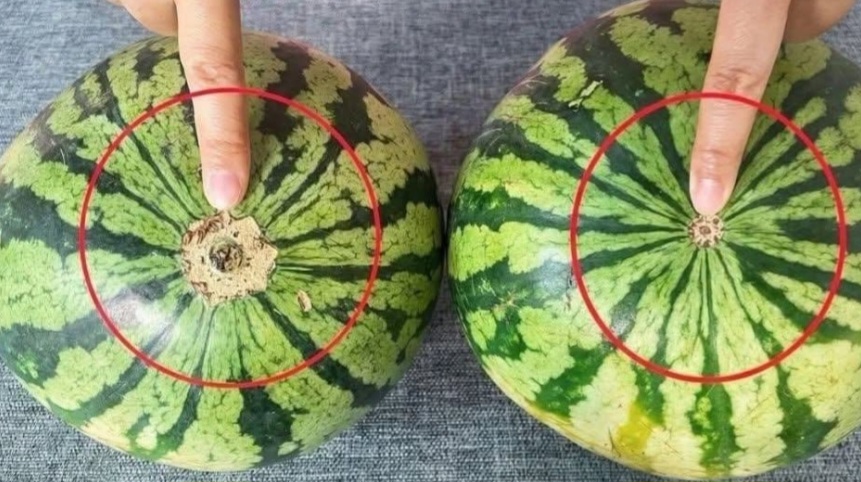
Few things are as refreshing as a perfectly ripe watermelon on a warm day. Whether you’re planning a family picnic, hosting a backyard barbecue, or simply craving a healthy snack, choosing the right watermelon can make all the difference.
The challenge is that you can’t see what’s inside before you buy it. Fortunately, nature provides several clues on the outside that can help you find a watermelon that’s juicy, sweet, and bursting with flavor.
If you enjoy practical food tips like this, be sure to subscribe to our newsletter so you never miss our latest kitchen guides, seasonal produce tips, and healthy recipes delivered straight to your inbox.
Why Learning to Choose a Ripe Watermelon Matters
Not every watermelon is harvested at peak ripeness. Some are perfectly sweet and crisp, while others may taste watery or bland. Knowing what to look for helps you spend your money wisely and increases your chances of bringing home a delicious fruit every time.
What Makes a Great Watermelon?
A ripe watermelon is typically:
- Naturally sweet
- Juicy and refreshing
- Crisp rather than mushy
- Heavy for its size
- Bright red inside with firm flesh
Although no method is guaranteed, combining several visual clues gives you the best chance of selecting a winner.
1. Look for a Dull, Deep Green Rind
The watermelon rind offers one of the first hints about ripeness.
Choose watermelons that have:
- A deep green color
- A dull or matte finish
- Firm, smooth skin
Avoid fruit that appears:
- Extremely shiny
- Very pale green
- Soft or damaged
A glossy rind often means the watermelon was picked before it had enough time to fully ripen.
2. Find the Creamy Yellow Field Spot
One of the easiest indicators of ripeness is the field spot. This is the area where the watermelon rested on the ground while growing.
The ideal field spot should be:
- Creamy yellow
- Golden yellow
- Clearly visible
Avoid watermelons with:
- White field spots
- Very light yellow patches
A rich yellow field spot usually means the fruit stayed on the vine long enough to develop its natural sweetness.
3. Check the Stripe Pattern
Healthy watermelons usually display strong contrast between their light and dark green stripes.
Look for:
- Bold, well-defined stripes
- Even coloring
- Consistent patterns across the rind
While stripe patterns alone don’t guarantee sweetness, they can be another helpful sign when combined with the other indicators.